
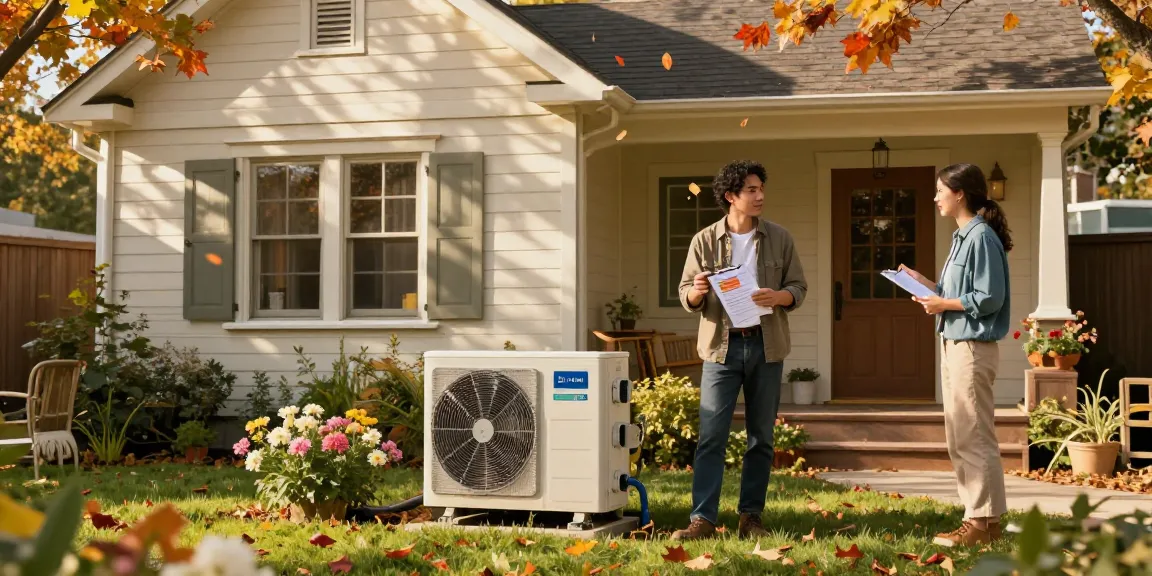
Understanding Wärmepumpe im Altbau: The Basics
In recent years, the demand for sustainable energy solutions has led many homeowners to explore innovative heating methods for older buildings. Among these, the wärmepumpe im altbau has gained popularity as a viable option for reducing energy costs and environmental impact. This article delves into what a Wärmepumpe is, how it functions, and why it is increasingly considered a smart investment for home heating in older structures.
What is a Wärmepumpe and How Does It Work?
A Wärmepumpe, or heat pump, is a device that transfers heat from one location to another, utilizing electricity to move heat instead of generating it through combustion. In essence, it operates like a refrigerator but in reverse. In a typical heating scenario, the Wärmepumpe draws heat from outside air or ground, even in colder temperatures, and transfers it into the home. This process can dramatically reduce heating costs, especially compared to traditional oil or gas heating systems.
The Benefits of Using Wärmepumpe in Older Buildings
Installing a Wärmepumpe in an Altbau (older building) can provide numerous benefits, including:
- Energy Efficiency: Wärmepumpen are known for their high efficiency, often achieving energy savings of up to 60% compared to fossil fuel heating systems.
- Reduced Carbon Footprint: By using renewable energy sources, these systems help homeowners lessen their environmental impact, contributing to a greener planet.
- Independence from Fossil Fuels: Utilizing a Wärmepumpe can reduce reliance on gas or oil, which may become increasingly expensive or scarce.
- Government Incentives: Many regions offer incentives for homeowners who switch to energy-efficient heating solutions, including Wärmepumpen.
Common Misconceptions About Wärmepumpe in Altbau
Many homeowners harbor misconceptions about the efficacy of Wärmepumpen in older buildings. A prevalent belief is that these systems cannot function efficiently without modern insulation or specific types of heat emitters. However, while proper insulation enhances performance, it is not an absolute requirement for a Wärmepumpe to be effective. Understanding these misconceptions can help homeowners make informed decisions about transitioning to more sustainable heating options.
Evaluating Your Home: Is It Suitable for a Wärmepumpe?
Before deciding on a Wärmepumpe for your Altbau, it’s essential to analyze several key factors regarding your home’s infrastructure. When exploring options, wärmepumpe im altbau provides comprehensive insights that can guide you through this evaluation process.
Key Factors to Consider in Your Home’s Structure
The structural composition of your home can significantly influence the effectiveness of a Wärmepumpe. Key factors include:
- Type of Construction: Older buildings often have varying construction materials that impact thermal performance. Understanding the materials used can help assess heat retention.
- Building Orientation: The position of a building in relation to sun exposure can affect heating needs and efficiency of energy sources.
- Existing Heating Systems: Understanding whether you are integrating a Wärmepumpe with an existing system or installing a new standalone system will impact your approach.
Assessing Insulation and Energy Efficiency
One of the critical assessments for determining a home’s suitability for a Wärmepumpe is its insulation. Poor insulation can lead to excessive heat loss, making it challenging for a Wärmepumpe to maintain a comfortable temperature. Homeowners should consider:
- Conducting an energy audit to identify areas of heat loss.
- Investing in insulation upgrades if necessary, focusing on attics, walls, and basements.
- Considering the installation of energy-efficient windows to improve overall energy performance.
Working with Professionals: Getting a Heating Load Calculation
Collaboration with a professional HVAC (heating, ventilation, and air conditioning) technician is crucial for an accurate assessment of your heating needs. A heating load calculation will determine the appropriate size and capacity of the Wärmepumpe required to efficiently heat your space. This calculation takes into account:
- The square footage of your home.
- The climate in your area and expected outdoor temperatures.
- Existing insulation levels and building materials.
Choosing the Right Type of Wärmepumpe for Your Altbau
With various types of Wärmepumpen available, selecting the right one for your Altbau is critical for achieving optimal performance.
Comparing Ground Source vs. Air Source Wärmepumpen
Wärmepumpen generally fall into two categories: ground source (geothermal) and air source. Ground source Wärmepumpen harness heat from the earth, making them more efficient in colder climates, while air source Wärmepumpen extract heat from the ambient air. Consider the following:
- Installation Complexity: Ground source systems typically require more extensive excavation work, while air source systems are easier and faster to install.
- Performance in Cold Weather: Ground source Wärmepumpen tend to perform better in extreme cold, as ground temperatures remain more stable than air temperatures.
Understanding the Role of Auxiliary Heating Systems
In some situations, especially in older buildings, relying solely on a Wärmepumpe may not provide sufficient heat during peak winter months. Auxiliary heating systems, such as electric heaters or gas boilers, can serve as backup options. Homeowners should evaluate:
- The potential need for supplemental heating based on their climate.
- The costs associated with maintaining and operating an auxiliary system.
Case Studies: Successful Installations in Altbau
Real-world examples can illustrate the successful integration of Wärmepumpen in older buildings. For instance, an Altbau in Bavaria underwent a comprehensive heating system retrofit where an air source Wärmepumpe was installed alongside improved insulation and window replacements. The result was a significant reduction in energy costs and increased comfort levels throughout the winter months.
Installation Best Practices for Wärmepumpen in Older Homes
Successfully installing a Wärmepumpe in an Altbau involves thorough planning and consideration of best practices.
Steps for Integrating a Wärmepumpe into Existing Heating Systems
Homeowners should follow specific steps for seamless integration, including:
- Evaluating current heating systems for compatibility with a Wärmepumpe.
- Modifying existing ductwork or radiators if necessary to optimize heat distribution.
- Planning the installation layout to minimize disruption to your living space.
Permits and Regulations to Keep in Mind
Depending on your region, installation of a Wärmepumpe may require permits and adherence to local regulations. Homeowners are advised to:
- Consult local authorities about zoning laws and environmental regulations regarding heat pump installations.
- Work with licensed professionals who are familiar with local building codes.
Possible Challenges and Solutions During Installation
Challenges may arise during installation, including space limitations, the need for additional insulation, or unexpected costs. Solutions can include:
- Consulting with multiple contractors to get detailed estimates and options.
- Budgeting for potential contingencies that may arise during installation.
The Future of Energy Efficiency: Trends to Watch in 2026 and Beyond
The landscape of heating solutions is evolving, and several trends are likely to shape the future of Wärmepumpen in Altbau.
Emerging Technologies in Wärmepumpe Systems
Technological advancements are enhancing Wärmepumpen efficiency and functionality. Innovations such as variable-speed compressors and smart controls improve operational efficiency and user experience. Homeowners should stay informed about:
- Developments in smart home integration for energy monitoring.
- New materials and designs that increase efficiency and reduce noise levels.
The Shift Towards Renewable Energy Sources in Heating
As the world pivots toward renewable energy, Wärmepumpen are increasingly paired with solar panels and other clean energy sources. This combination can further decrease operating costs and carbon footprints, making it a significant consideration for future installations.
Government Incentives and Support for Energy-Efficient Retrofits
Governments are expected to continue offering incentives for homeowners who invest in retrofitting their heating systems for energy efficiency. Staying aware of available grants, tax credits, and other financial support can significantly impact the affordability of a Wärmepumpe installation.
What makes a Wärmepumpe im Altbau a practical choice?
A Wärmepumpe’s practicality lies in its energy efficiency, lower operational costs, and support for sustainability goals. For many homeowners, transitioning to this system means long-term savings and a smaller carbon footprint.
How can I improve my home’s insulation for better efficiency?
Enhancing your home’s insulation can involve investing in new materials, sealing air leaks, and updating windows. Each upgrade can contribute significantly to energy efficiency when paired with a Wärmepumpe.
What are the maintenance requirements for a Wärmepumpe?
Regular maintenance is essential for optimal performance. Homeowners should schedule annual check-ups with HVAC professionals to ensure that filters, ducts, and other components remain clean and functional.
Can I use a Wärmepumpe with existing radiator systems?
Yes, a Wärmepumpe can operate with existing radiators, although for optimal performance, newer, low-temperature radiators or underfloor heating may be recommended to enhance efficiency.
What are the typical costs associated with installing a Wärmepumpe in an Altbau?
The installation costs of a Wärmepumpe can vary widely depending on the type, size, and complexity of the installation. Homeowners should conduct thorough research and obtain multiple quotes to understand the financial commitment involved.